Japan Between the Bullet Trains: Finding Home in Fukushima
by Michael Petkovic | 13th July, 2026
People think Japan is only Tokyo, Osaka, and Kyoto—scroll Instagram or TikTok for five seconds and you'll see it: "Top 10 Hidden Spots in Japan", "The crazy new ramen shop that no one is talking about", and "Things you MUST do in Tokyo." Every other tourist with a camera reigns cultural authority after two weeks on the Golden Route. The convenience store egg sandwiches, Gachapon, and Shibuya Crossing photographed from the same angle. The maid cafés. Maybe that’s Japan for some people, but not for me.
I first came to Japan in 1999; the internet sucked, and no one documented every aspect of their lives in pursuit of popularity. Shibuya was mine for the taking—every back alley, every bar—I told no one. Everyone else living in Japan at the time kept it their closely guarded secret, and I did the same. However, I’ve noticed a major shift over the last ten years; Tokyo has lost the charm that made me fall in love with it, and the Shibuya skyline is now wall-to-wall glass boxes. There’s no "below the surface" anymore because the internet has exposed it, and I hate that the country I discovered twenty-seven years ago has been condensed into a 15-second TikTok. What was once a mystery is now the world's playground. The yen is cheaper than ever before, making the trip more accessible, signalling Tokyo's long, slow demise into another Bali.
Reduced to vending machines, convenience stores and neon lights, Japan is perfect for tourists who want to feel like they've discovered something profound. Maybe it was time for me to part ways with my muse. Though one day in 2016, I discovered Fukushima City on a whim. Or, more accurately, Fukushima City slowly revealed itself to me. Fukushima isn't a song and dance desperate for attention. From the outside looking in, it appears to have nothing to offer. Nothing flashy to draw tourists in. People don't care whether you come, but if you do, they'll shower you with omotenashi—selfless hospitality—and you won't want to leave. Fukushima exists whether people pay attention to it or not.
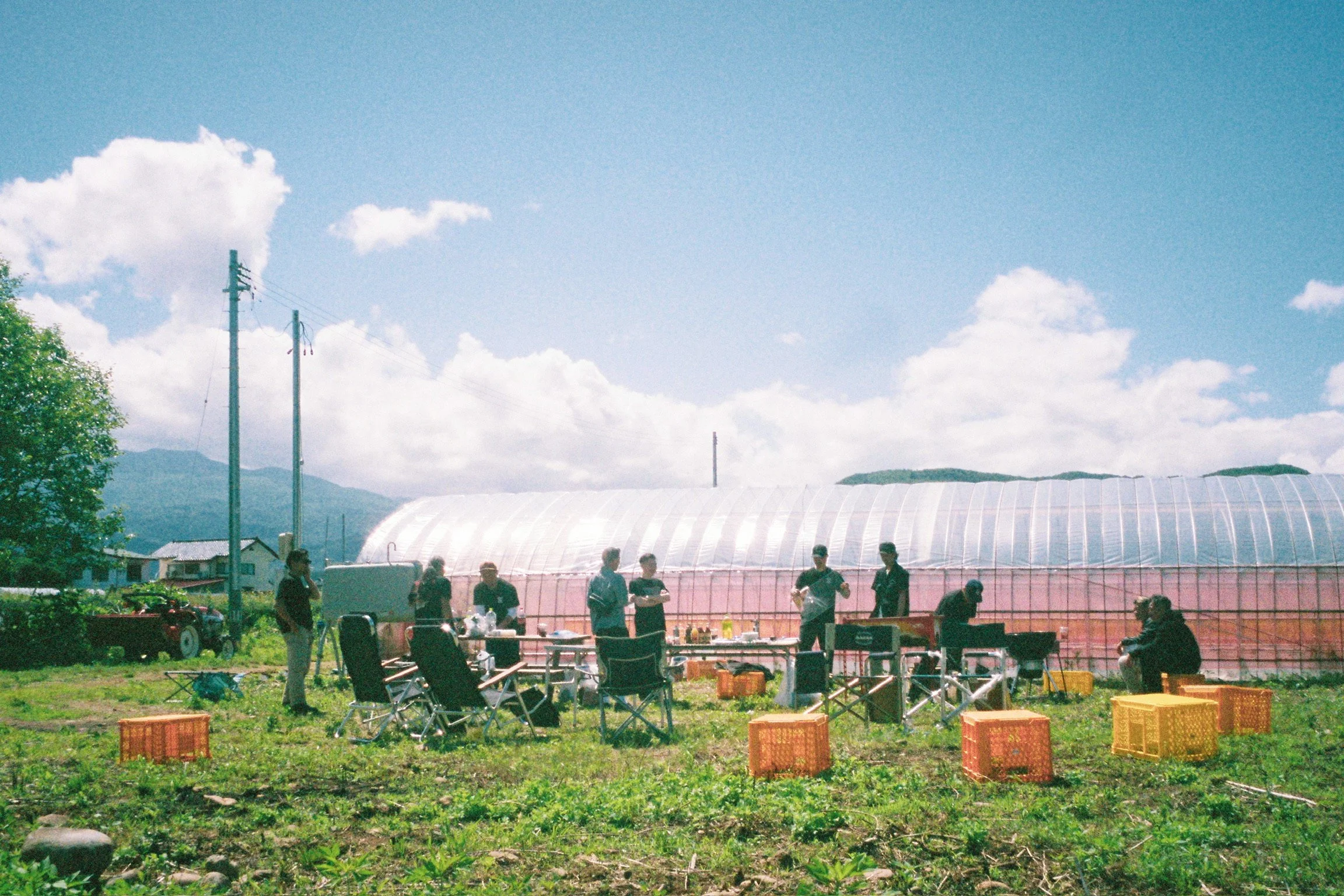
Most people don't give Fukushima a second thought, assuming it's a nuclear backwater because that's what Google tells them. The Shinkansen pierces through the city at 320 kilometres an hour like a green and purple blade. People sit inside, half asleep, staring at their phones, headed somewhere else—Tokyo, Sendai—somewhere that matters more to them. Fukushima is a blur at that speed, but every time I watch that train tear through the landscape, I think about what people are missing. I chose to stop there, get out and explore knowing nothing of the place—old school—like it was 1999 all over again.
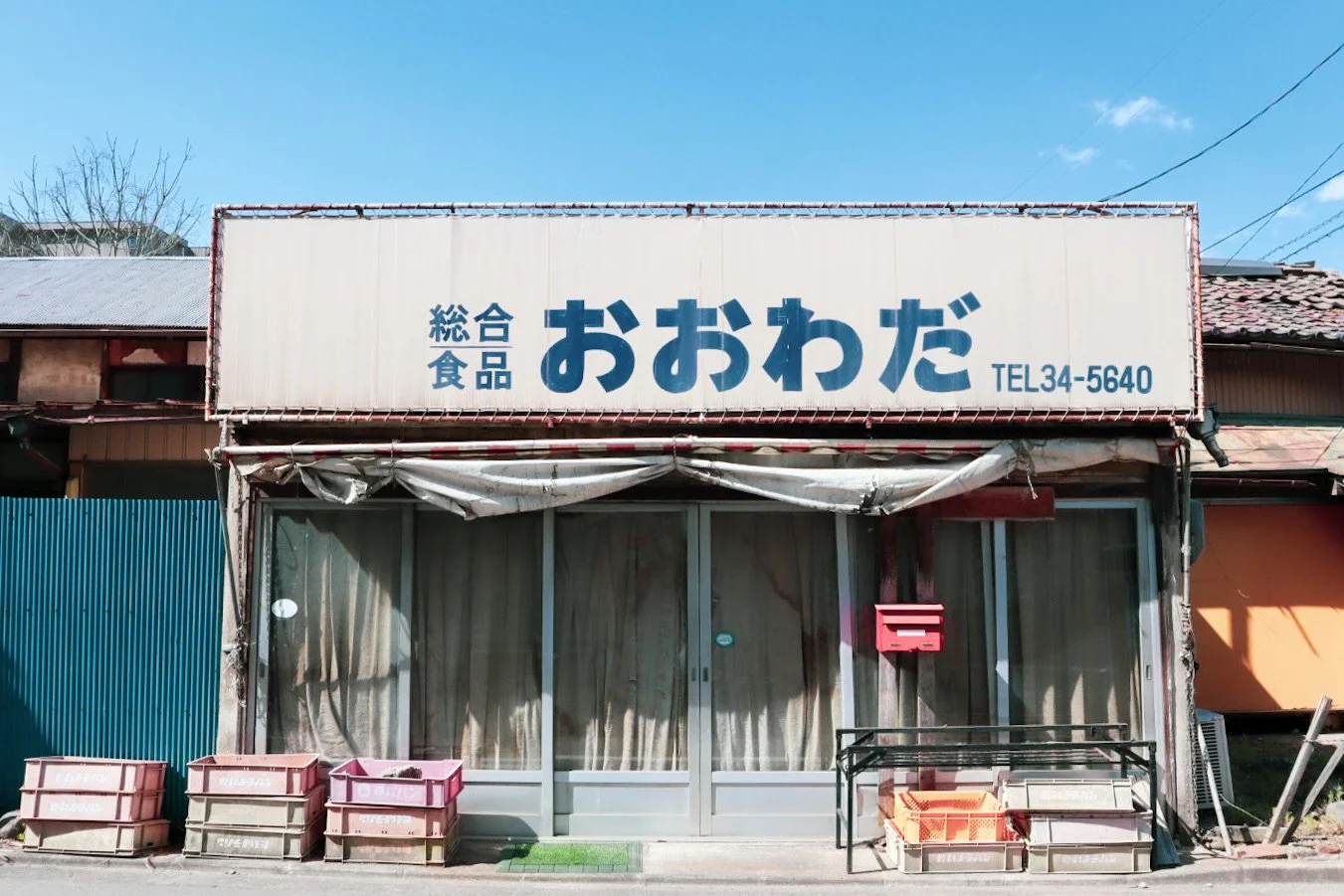
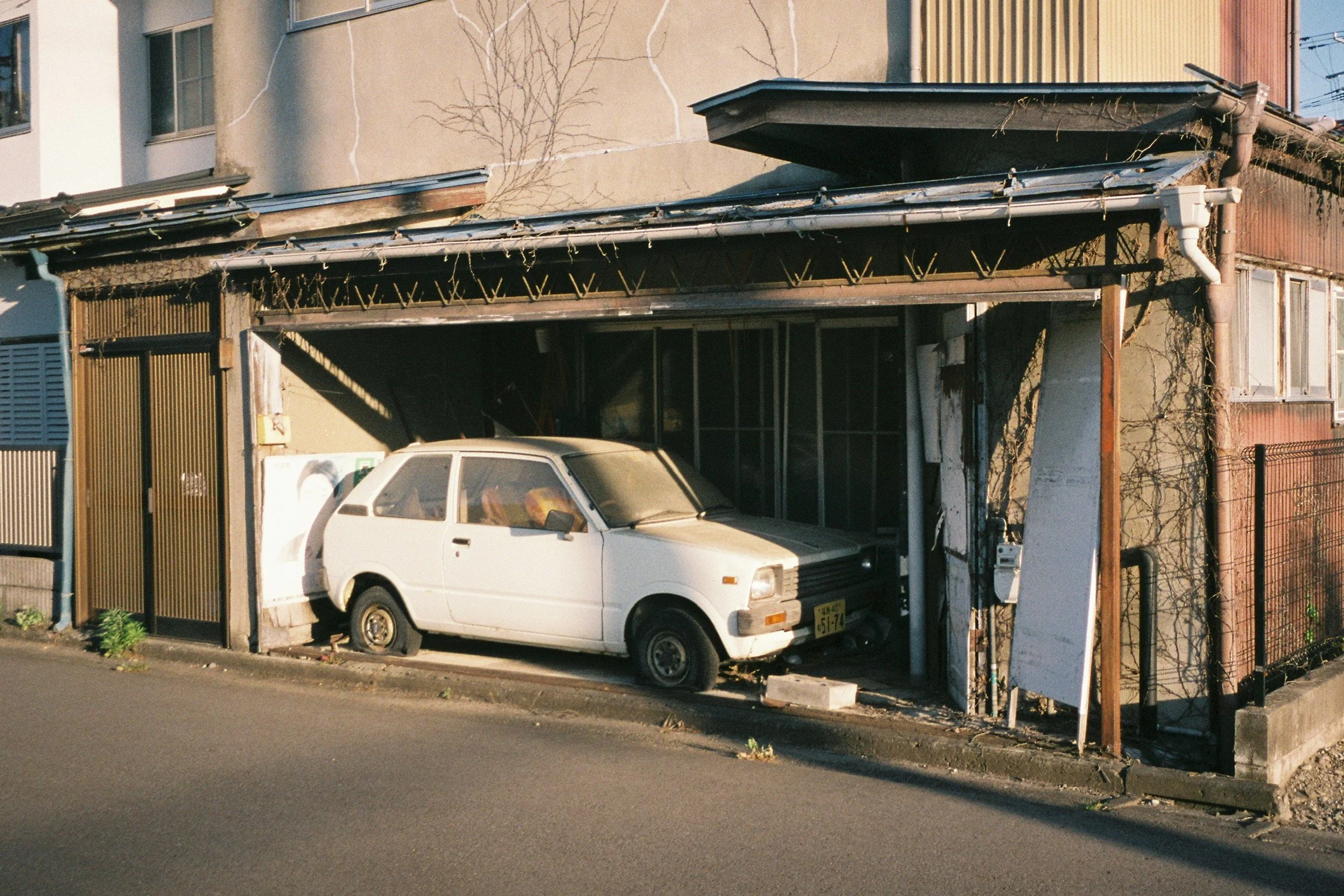
The charm of Fukushima City isn't the abandoned buildings or the old shops. I suppose that stuff just catches my attention because it's so unlike where I am from. Coming to live in Japan from Australia (where you can barely afford to buy a house), there's something strangely beautiful about a place being gently reclaimed by Father Time. Fukushima thrived during the Showa era, though now the shutters are rusted, the signs faded, and empty storefronts carry with them the scent of decay. Though that's not what captured my heart. It always has been and will be the people. The people who chose to stay after the nuclear disaster and who welcomed me into their lives. This sense of community a tourist staying in Tokyo could never understand. Fukushima's people persevere.
They plant fields, and open stores. They raise children and show up for work. They sweep the footpath outside their homes and keep communities alive, even as those communities shrink. That's what Fukushima is. It’s rice fields glowing gold beneath the spring sun, and endless peach orchards stretching towards the mountains. A city wrapped in mountain ranges that were once beneath the sea. It’s the elderly woman at the self-service fruit and vegetable stand who always appears and hands you free fruit, wanting nothing more than a pleasant conversation. It’s Yamada-san next door. It is all the small moments too precious to plaster across social media. These are the things you can’t buy.
There are no queues for viral ramen, and nobody is fighting for the perfect Instagram photo. Nobody gives a fuck about your follower count, and you can exist as a person instead of a performance. That's the beauty of the countryside. You build meaningful relationships because there's nothing else to hide behind. I get to watch my son grow up here, and almost all of my friends are Japanese. Real friendships. The kind of friendships that feel as though they've existed since childhood. Living in Fukushima has taught me more about Japan than any big city ever could. Here, you make it by getting involved, and when you get involved, you become a part of the culture. However, Fukushima is a city that's slowly dying, and that's the sad reality.
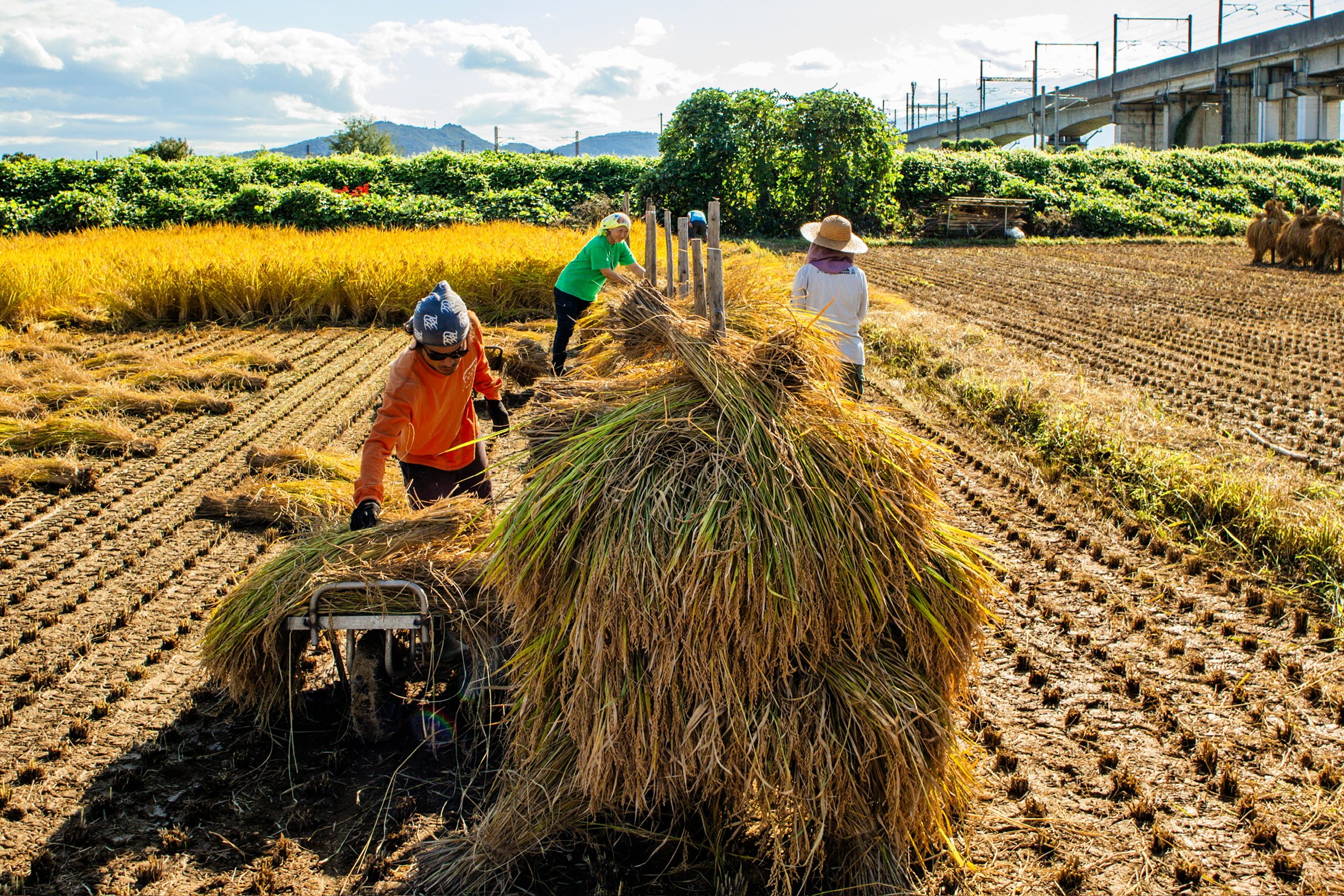
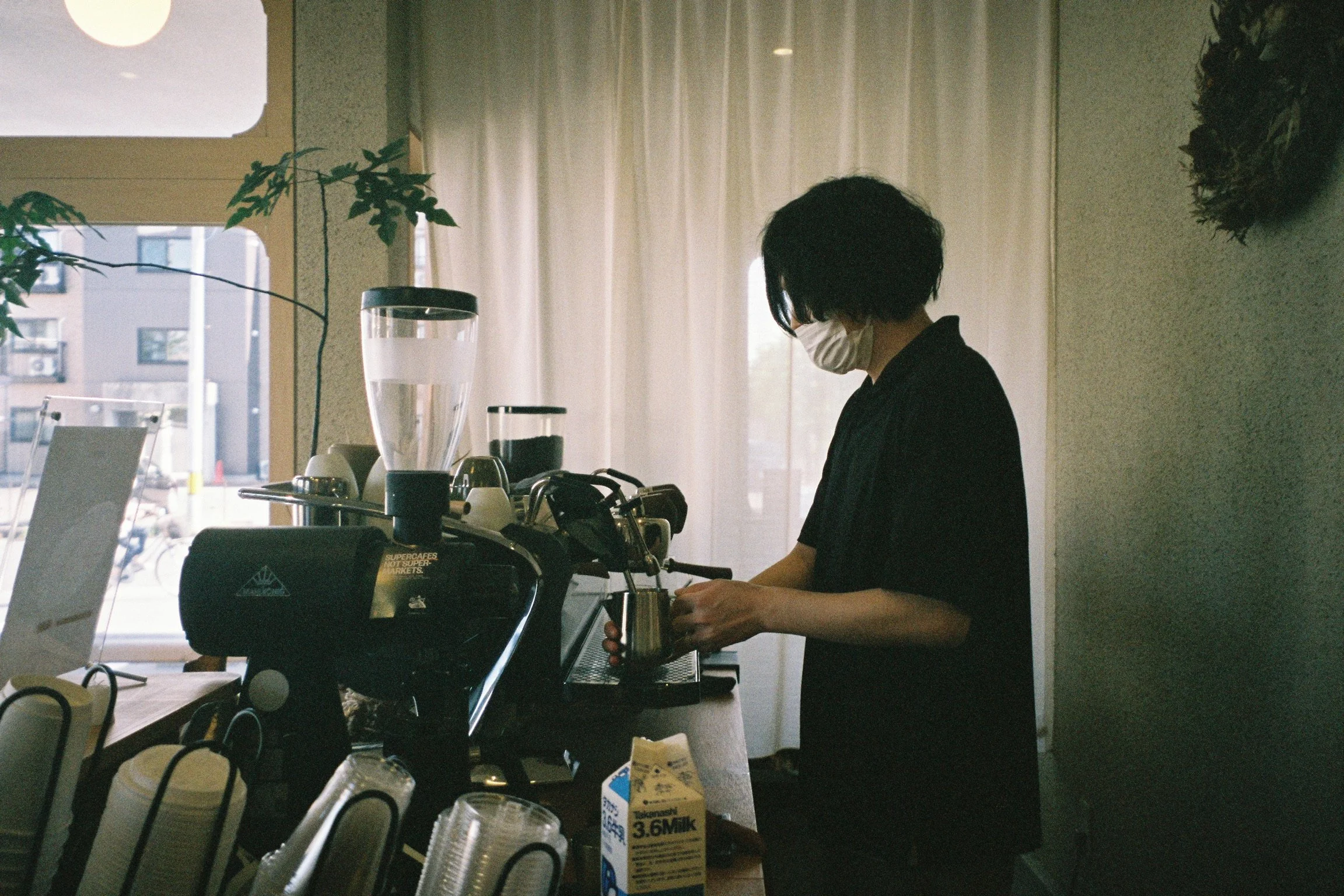
Young people leave for bigger cities chasing opportunity. The older people pass away, and there aren't enough young people to replace them—the growing weight of an ageing population feels insurmountable—so shops close, and the schools shrink. Homes sit empty. If you stay long enough, you can watch it happen before your very eyes. It’s because of this that the people who choose to stay in Fukushima are deeply invested, and the young people in my circle are doing everything they can to keep a fading community not only alive, but vibrant.
They are opening businesses and building communities; they’re hosting events and supporting local culture. They are trying to build a future in a place most people wrote off years ago. There's something pure about that, and that is why I photograph Fukushima City. It’s not because I'm romanticising it or because I think I've discovered a hidden Japan that nobody else knows about. It’s definitely not because I think it's perfect. I photograph Fukushima because I'm scared places like this will disappear. People talk about the “real” Japan all the time, but Fukushima is the real Japan to me. You won't meet kinder people than those in the Tohoku region, and you can’t change my mind. Go there if you dare. Just don't ruin it by turning it into another place where you're the main character.
— M.P.
Working on a story, photo essay or project you'd like to share? We'd love to feature it in the Bright Side Film Lab Journal. Email your pitch to hello@brightsidefilmlab.com.